Superior water quality through biological innovation
Our Bio Filters combine mechanical and biological filtration — ensuring crystal-clear, oxygen-rich water for ponds, aquaculture, and wastewater treatment. With integrated design and durable build, Bio Filter units maximize nitrification efficiency and reduce maintenance.
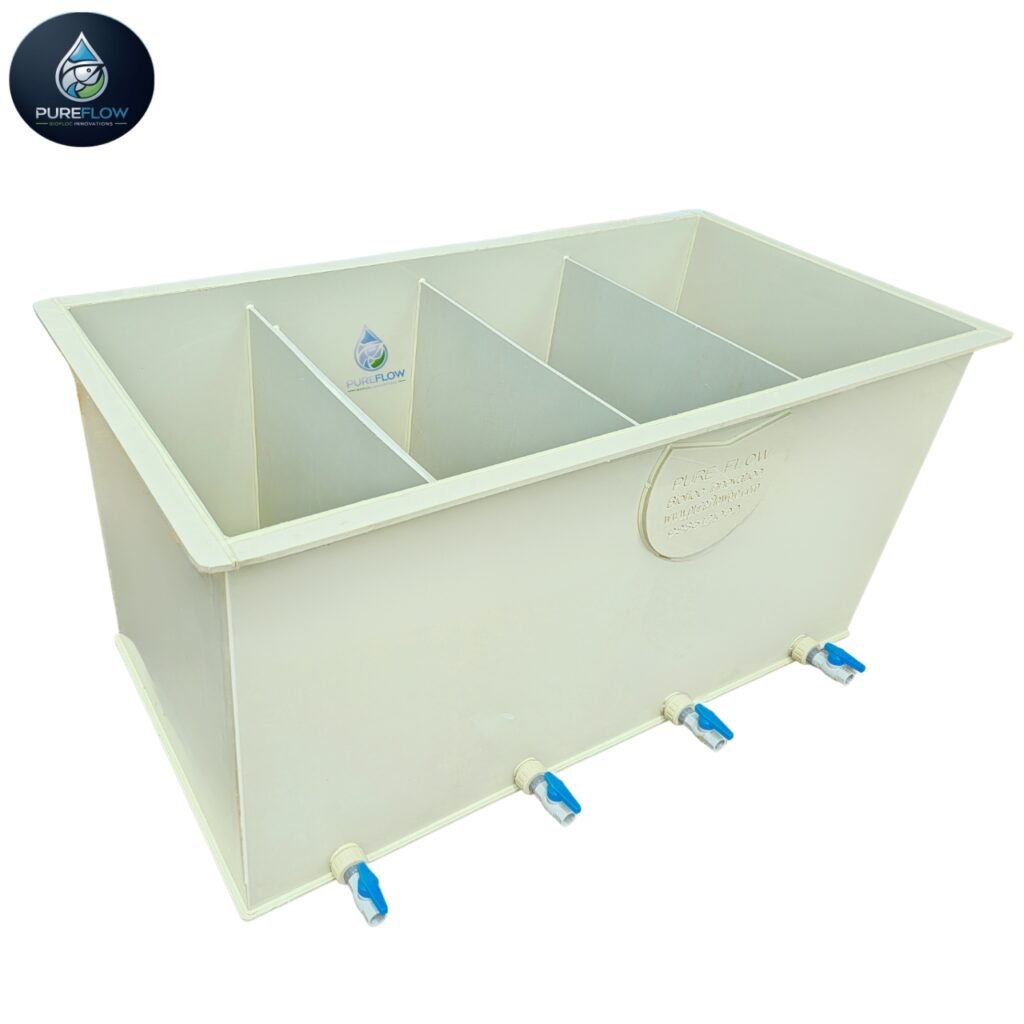
Dual Filtration
Mechanical and biological filtration combined in one compact unit.
Energy Efficient
Designed for low power consumption and optimal water circulation.
Easy Maintenance
Quick-access design allows for backwash and media cleaning without disassembly.
1. Aquariums and Fish Ponds (The Nitrogen Cycle)
For everyday consumers, this is undoubtedly the most common context. In a typical tank, fish waste and uneaten food naturally break down into ammonia. Unfortunately, this resulting ammonia is highly toxic to fish.
How it works: To combat this dangerous buildup, a biofilter provides a surface (usually porous ceramic rings, sponges, or plastic “bio-balls”) where beneficial nitrifying bacteria can live and multiply securely.
The Process: Consequently, these bacteria perform a crucial two-step process known as the nitrogen cycle. First, they convert the toxic ammonia into nitrite (which, however, is still toxic). Subsequently, an entirely different type of bacteria takes over to convert the nitrite into nitrate. Ultimately, this final nitrate is relatively safe and can then be removed through regular water changes or, alternatively, absorbed by live plants.
2. Wastewater and Water Treatment
Meanwhile, on a much larger scale, municipal sewage plants and industrial facilities rely on massive biofilters to comprehensively clean water before releasing it back into the environment.
How it works: During this industrial process, wastewater is initially passed over beds of rocks, plastic media, or sand (often referred to as “trickling filters”). Over time, microorganisms naturally form a slimy layer, or biofilm, across this media. As a result, when the contaminated water trickles over them, the microbes aggressively consume the organic pollutants, human waste, and harmful chemicals. Thereby, they effectively and safely purify the water.
3. Air Pollution and Odor Control
Furthermore, beyond just water purification, biofilters are similarly utilized to clean contaminated air in notoriously odorous places such as composting facilities, wastewater plants, and livestock farms.
How it works: In this specific application, dirty, smelly air is forcefully pushed through a bed of organic material like compost, wood chips, or peat. Next, the naturally occurring microbes living within the compost “eat” the odor-causing compounds and volatile organic chemicals (VOCs) suspended in the air. Finally, having consumed the pollutants, they release clean, odorless air out the other side.
Key Components of a Biofilter
In summary, regardless of what it is specifically filtering, a biofilter universally requires three main elements to function properly:
Filter Media: First and foremost, it requires a material with a high surface area (such as a sponge or porous rock) so that the bacteria have a place to securely attach and grow.
Microorganisms: Secondly, and equally importantly, the entire system relies on the presence of beneficial bacteria or fungi that perform the actual, physical work of breaking down the waste.
Oxygen and Flow: Lastly, but crucially, most of these beneficial microbes absolutely require a steady, continuous flow of oxygenated water or air in order to survive and function efficiently.
Technical Specifications
- Filter type: Combined mechanical + biological
- Material: UV‑resistant polypropylene body
- Available models: customized
- Inlet/outlet size: customized inch options
- Recommended media: MBBR or ceramic bio rings
- Typical lifespan: 8–12 years with regular maintenance
Q: How often should I clean the bio filter?
A: Depending on the load and system size, cleaning every 2–4 weeks keeps performance optimal.
Q: Can I use different bio media?
A: Yes — compatible with MBBR, ceramic, and sponge-based bio media for flexibility.